
Blogs

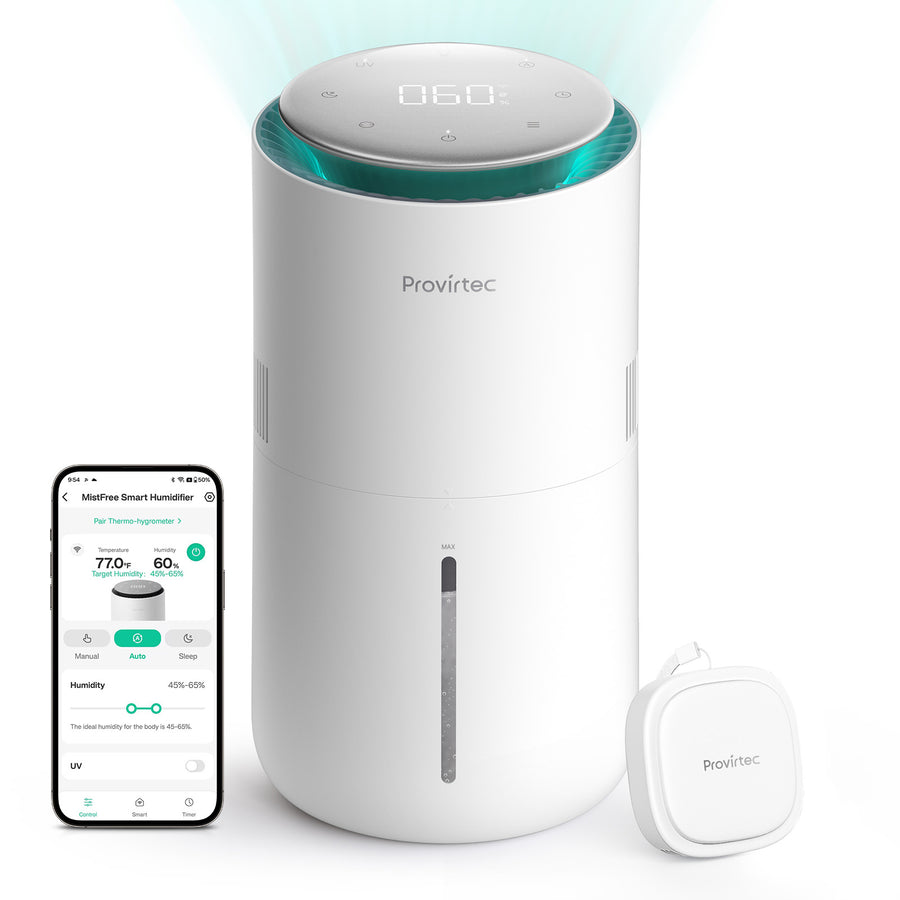
If you’ve ever dealt with a stuffy nose during allergy season, flu, or in the middle of winter, you know how uncomfortable congestion can feel. Dry air often makes it worse, irritating nasal passages and throat. That’s why many people rely on a humidifier for sinus congestion. But does a humidifier really work? Let’s explore what humidifiers do, why an evaporative humidifier is often the best humidifier for bedroom use, and introduce the Provirtec MistFree Humidifier--an ideal house humidifier.

In this guide, we’ll break down the best water for humidifiers, what to avoid, and tips for proper maintenance.
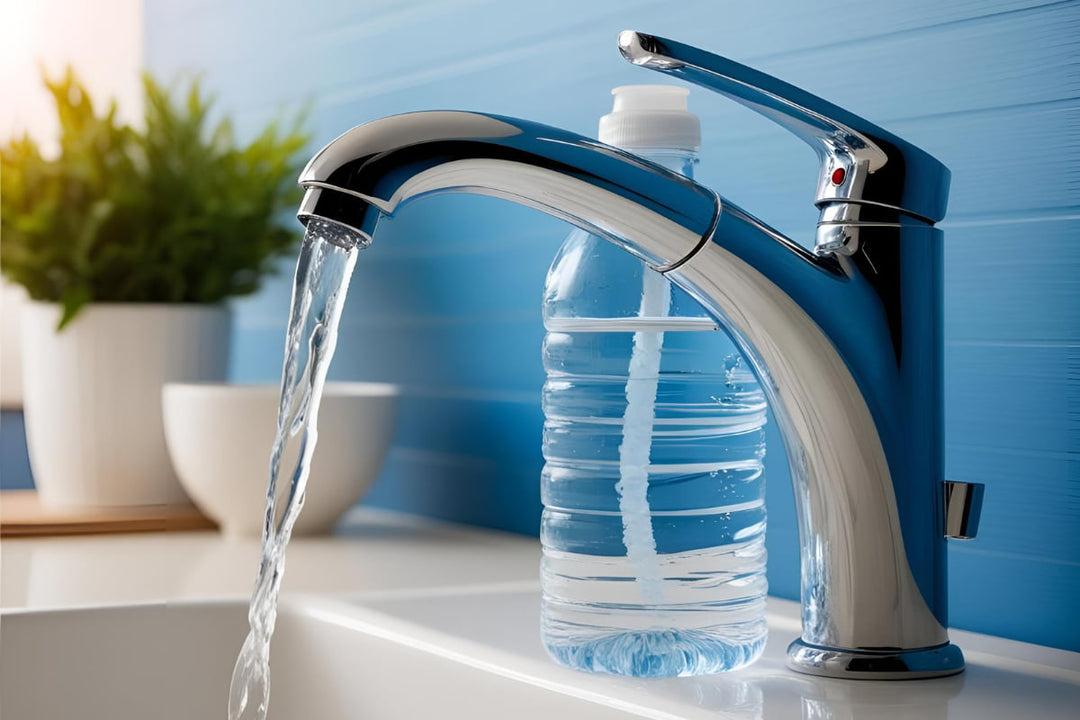
You twist open your humidifier, head to the sink, and fill it with tap water—easy, right? Not so fast. If you've ever noticed white dust on your furniture or started coughing more when the humidifier's running, your water might be the reason.
Let's talk about what water to use in a humidifier, what happens when you use the wrong kind—and how you can keep things clean without the daily jug of distilled.
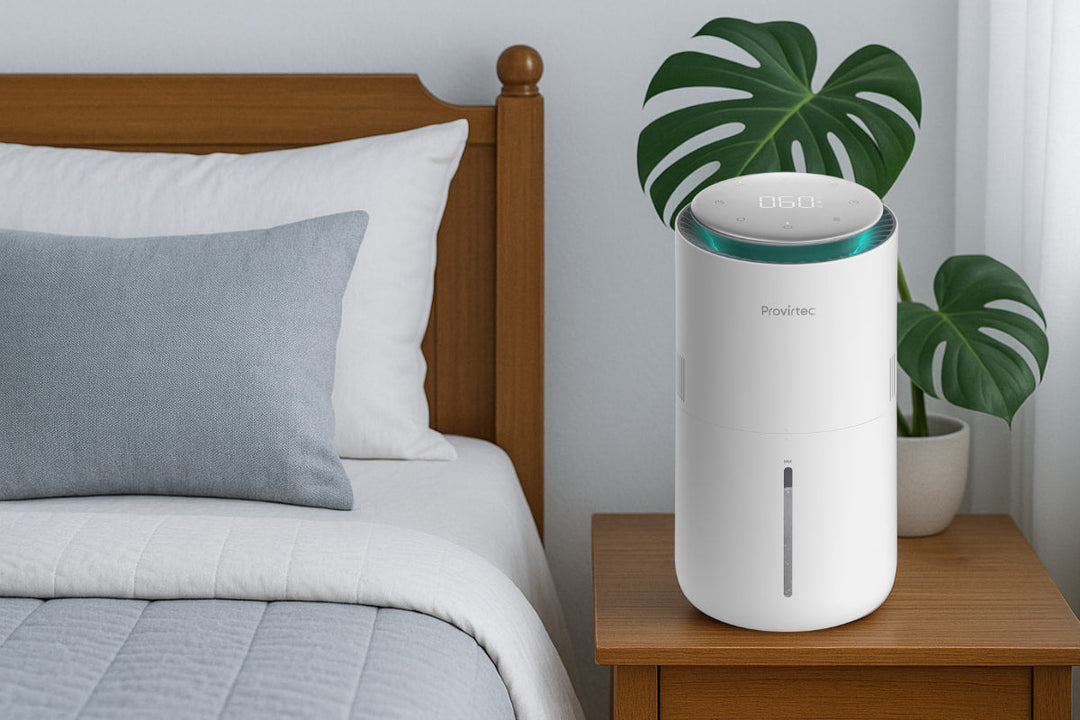
Humidifiers are essential for creating a comfortable living environment, especially in dry seasons or climates. They improve indoor air quality, relieve dry skin, and make breathing easier. But a common concern remains—do humidifiers cause mold? The short answer? Not if you use them properly. In this post, we'll explore the link between mold in humidifier units and improper use, how to prevent it, and why pairing a humidifier with an air purifier can further safeguard your home.

Humidifiers help maintain indoor air quality, especially in dry winter months. However, they require regular cleaning to ensure they function effectively and do not emit harmful bacteria or mold into the air. Here's how to clean your humidifier properly.